

Ovensandhobs Ltd
Add a review FollowOverview
-
Founded Date February 18, 1944
-
Sectors Software Development
-
Posted Jobs 0
-
Viewed 3
Company Description
The 10 Most Terrifying Things About Hood Extractor
Understanding Hood Extractors: An In-Depth Exploration
Introduction
Hood extractors, typically referred to simply as exhaust hoods, are important components of residential and business kitchens. They serve the important function of keeping a safe and comfortable environment by eliminating smoke, steam, heat, and airborne grease particles generated during cooking. This post aims to provide a helpful summary of hood extractors, consisting of types, advantages, components, setup factors to consider, and common FAQs.
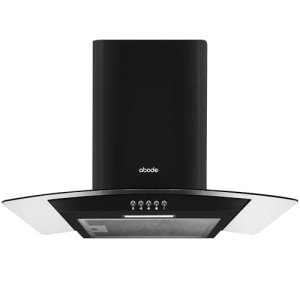
What are Hood Extractors?
A hood extractor is a ventilation gadget set up over cooking equipment to catch and exhaust cooking by-products. It usually consists of a fan, a purification system, and ductwork that redirects air outside or back into the kitchen after filtering. Their main purpose is to boost air quality and decrease the danger of fire dangers in cooking locations.
Kinds Of Hood Extractors
Hood extractors come in various designs and mechanisms matched to various kitchen layouts and cooking styles. Below is a table categorizing the primary types of hood extractors, together with their qualities:
| Type | Description | Best Suited For |
|---|---|---|
| Wall-Mounted | Attached to the wall above the cooking range and frequently found in home kitchens. | Residential kitchens |
| Island Hoods | Suspended from the ceiling above an island cooktop, supplying ventilation from above. | Open-concept kitchens |
| Under-Cabinet Hoods | Installed underneath kitchen cabinets, suitable for smaller sized setups. | Compact kitchens |
| Downdraft Hoods | Retractable hoods that rise from behind the cooktop, capturing smoke and fumes. | Modern kitchens with minimal space |
| Business Hoods | Durable models created to manage high-volume cooking and large kitchen setups. | Restaurants and business kitchens |
Advantages of Installing Hood Extractors
Integrating a hood extractor in your kitchen surpasses visual appeals. Here’s a list of the substantial advantages they provide:
- Improved Air Quality: By getting rid of cooking fumes, grease, and smoke, hood extractors help maintain a cleaner and healthier kitchen environment.
- Fire Safety: They decrease the risk of fire risks by getting rid of grease and heat from cooking surface areas.
- Improved Comfort: Proper ventilation prevents extreme heat accumulation, making cooking a more comfortable experience.
- Smell Control: Hood extractors efficiently minimize unpleasant cooking smells, ensuring your home smells fresh.
- Decreased Cleaning: They help keep kitchen surface areas cleaner by recording grease and particles that would otherwise settle on walls and appliances.
Parts of a Hood Extractor
To understand how hood extractors function, it is important to acquaint oneself with their primary elements. Below is an in-depth description of these crucial parts:
| Component | Description |
|---|---|
| Ventilation Fan | The motorized part responsible for drawing air through the filtering system and exhausting it outside or back into the kitchen. |
| Filters | Typically made of metal or webpage charcoal, filters capture grease and food particles, making sure cleaner exhaust. |
| Ductwork | A network of tubes that brings air from the hood extractor to the outside of the structure or recirculates it within the kitchen. |
| Controls | Features that permit users to adjust fan speeds, turn lights on and off, and manage filter cleaning cycles. |
| Lighting | Included lights that brighten the cooking surface for enhanced exposure. |
Setup Considerations
When installing a hood extractor, it’s important to think about a number of elements:
- Size and Capacity: The hood should match the size of the cooking range and have adequate CFM (Cubic Feet per Minute) capacity to effectively aerate the area.
- Height: The position ought to enable for optimum suction without obstructing headroom. The general suggestion is 24-30 inches above the cooking surface area.
- Ducting: The ductwork should be straight and as short as possible to help with maximum effectiveness while lessening air resistance.
- Style and Aesthetics: Choose a design that complements the kitchen’s overall style. Choices range from contemporary stainless steel to more conventional styles.
- Source of power: Ensure electrical and pipes requirements are fulfilled for powered hoods, and think about local building regulations that might dictate particular setup approaches.
Regularly Asked Questions (FAQs)
Q1: How frequently should I clean my hood extractor?A1: It is suggested to clean the filters and external surfaces on a monthly basis, while the internal elements ought to be inspected and cleaned every six months or more frequently if you cook frequently. Q2: Do I need an expert for installation?A2: While DIY setup
is possible for some house owners, working with a professional ensures compliance with local building codes and optimal efficiency. Q3: What kind of maintenance do hood extractors require?A3: Regular filter cleansing or replacement and occasional examinationof the fan and ductwork for blockages or wear are essential upkeep tasks. Q4: Are hood extractors noisy?A4: Noise levels differ by design; premium hood extractors are created to operate silently. Look for low Sones rankings for quieter models.Q5: Can hood extractors be set up in every kitchen?A5: Yes, however it is important to select a model that fits the kitchen’s size, kind of cooking home appliances, and design to ensure optimal performance.
Hood extractors play an important function in keeping a safe, clean, and enjoyable kitchen environment. By understanding the different types, advantages, components, and setup factors to consider
, property owners and kitchen designers can make educated options that enhance both functionality and design in their cooking areas. As we continue to navigate how we prepare and communicate with our kitchens, hood extractors will stay an important function for all culinary lovers.