

Downpipes
Add a review FollowOverview
-
Founded Date June 2, 1923
-
Sectors DevOps Specialist
-
Posted Jobs 0
-
Viewed 10
Company Description
Nine Things That Your Parent Taught You About Guttering Solutions
Comprehensive Guide to Guttering Solutions: Importance, Types, and Maintenance
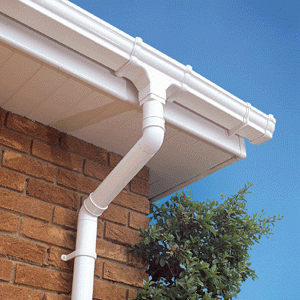
Guttering is a necessary component of any structure’s drainage system. It plays a pivotal function in protecting the structure by carrying rainwater away from the roof and structure. Without an effective guttering system, homes and commercial properties might face substantial water damage, leading to pricey repairs. This short article explores numerous guttering solutions, their types, maintenance, and best practices, guaranteeing that homeowner can safeguard their financial investments.
Value of Guttering Systems
Guttering systems serve a number of vital purposes:
-
Prevent Water Damage: Gutter systems direct rainwater far from the foundation, roof, and walls, reducing the risk of water infiltration and damage.
-
Promote Landscape Health: By managing water runoff, gutters can prevent soil disintegration and secure plants from excessive watering or dry spell conditions.
-
Mold and Mildew Prevention: Proper water drainage assists decrease the wetness in and around buildings, decreasing the threat of mold and affecting indoor air quality.
-
Secure Exterior Structures: Gutters help preserve decks, decks, and patios by avoiding water from pooling around these locations.
Common Gutter Types
When thinking about guttering solutions, numerous styles and materials are offered, each with distinct qualities suited to specific needs. Here are some of the most common types:
| Gutter Type | Description | Benefits | Disadvantages |
|---|---|---|---|
| K-Style Gutters | Flat on the bottom with a decorative leading edge. | Visual appeal and high capacity for water. | Can be tough to clean up without proper gain access to. |
| Half-Round Gutters | Semi-circular shape, standard look. | Very little maintenance and excellent water circulation. | Less efficient for heavy rains if undersized. |
| Box Gutters | Rectangle-shaped and built into the structure. | Ideal for flat roofing systems and big commercial structures. | More complicated to install. |
| Rain Chains | Ornamental options to traditional gutters. | Aesthetic appeal; also helps with drainage. | Less efficient in heavy rain; need more maintenance. |
| Seamless Gutters | Produced on-site, decreasing seams and leakages. | Reduced risk of leakages; custom-fit to structure. | Can be more expensive than other types. |
Gutter Materials
Choosing the right material for gutter installation is critical, as each type offers its own set of benefits and drawbacks:
| Gutter Material | Description | Life expectancy | Cost |
|---|---|---|---|
| Vinyl | Light-weight and easy to set up. | 5-10 years | Affordable |
| Aluminum | Light-weight and resistant to rust. | Twenty years | Moderate-High |
| Copper | Durable and highly visually pleasing. | 50+ years | High |
| Steel | Strong and long-lasting (galvanized). | 20-30 years | Moderate |
Maintenance Tips for Guttering Systems
To make sure optimal efficiency, regular maintenance of guttering systems is essential. Here are essential maintenance tips:
-
Regular Cleaning: Clear leaves, twigs, and particles from gutters a minimum of twice a year, especially in fall.
-
Check for Damage: Regularly inspect for fractures, rust, or other signs of wear in gutters and downspouts.
-
Ensure Proper Alignment: Gutters need to be sloped towards downspouts to aid in drainage. Adjust as essential.
-
Check Downspouts: Ensure downspouts are directing water a minimum of 5 feet far from the structure.
-
Install Gutter Guards: Consider installing gutter guards to decrease debris accumulation and decrease cleaning frequency.
Attending To Common Gutter Issues
Understanding common gutter-related issues helps home owners take proactive procedures. Here are some frequently experienced concerns:
- Clogged Gutters: Leads to water overflow, triggering possible landscape and structure damage.
- Drooping Gutters: Poor installation or build-up of particles can cause gutters to droop, impacting water circulation.
- Leaks: Water leaks frequently stem from holes or poorly sealed joints within the gutter system.
- Ice Dams: In cooler climates, ice build-up can block gutters, causing prospective roof damage.
FAQs about Guttering Solutions
1. How typically should I clean my gutters?It is suggested to clean your gutters a minimum of twice a year, with more frequent cleanings required if you have overhanging trees. 2. Can I install gutters myself?While some house owners choose
DIY gutter installation, it is typically suggested to work with professionals for optimal installation and alignment. 3. How can I identify which kind of gutter is best for my home?Consider elements such as climate, roof type, visual choices, and budget. Consulting a professional can also offer tailored recommendations. 4. What are gutter guards, and ought to I install them?Gutter guards are protective screens that prevent particles from entering the gutter system, minimizing maintenance.
Installing them can be useful for forested or leaf-heavy areas. 5. What ought to I do if I see water pooling around my home?Investigate the gutter system for blockages or damage, and make sure downspouts are directing water far from the foundation. Proper guttering solutions are crucial
for securing residential and commercial residential or commercial properties from water damage and associated dangers. Comprehending the different types and materials available, together with the necessity of regular maintenance, can help make sure that properties remain safe, dry, and structurally noise. By requiring time to purchase appropriate guttering systems and their upkeep, property owners can secure their financial investments for several years to come.